

5
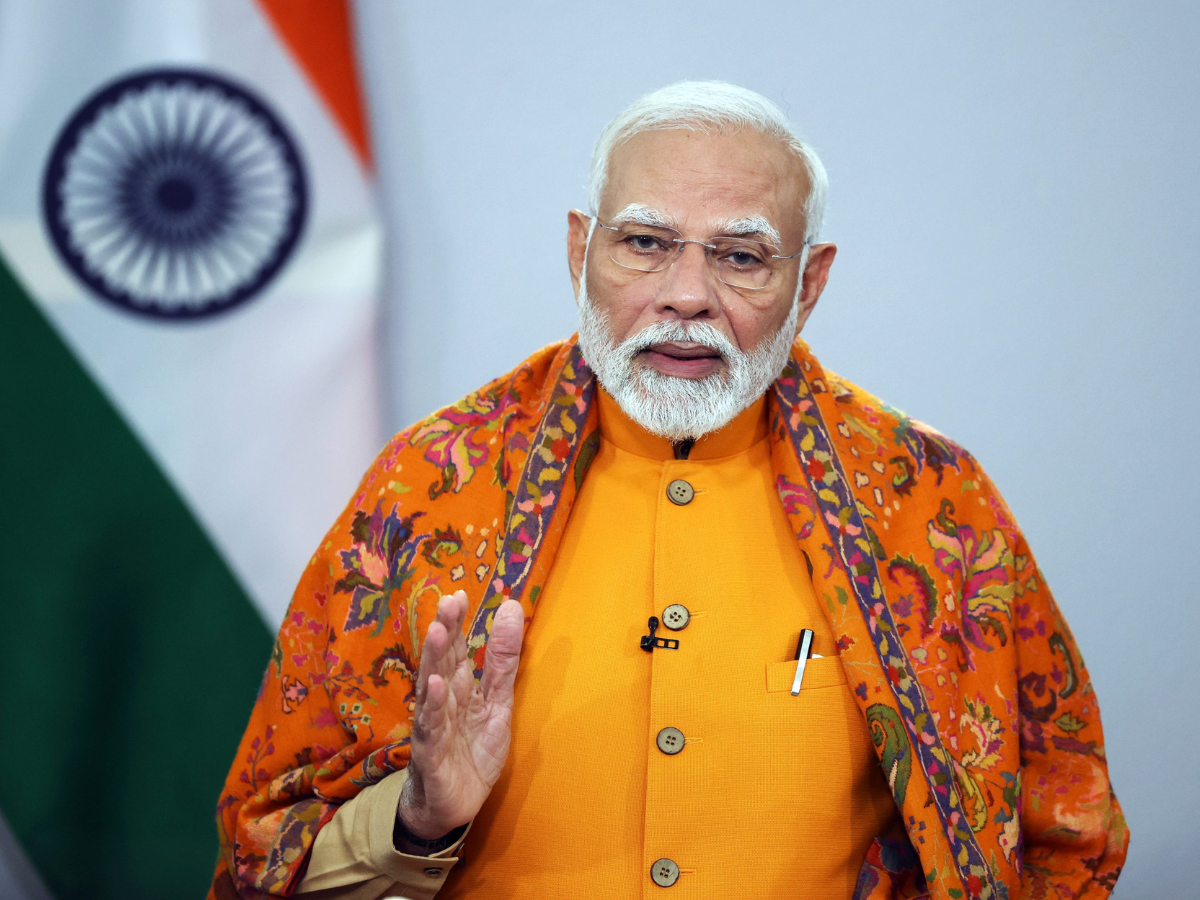
Amid rising global energy instability triggered by West Asia tensions, Prime Minister Narendra Modi has called on Indian citizens to adopt a more restrained consumption pattern. His appeal focuses on reducing fuel use, delaying discretionary spending like gold purchases, limiting foreign travel and reviving work from home habits that became widespread during the COVID-19 pandemic. The objective, according to the government’s framing, is to protect India’s foreign exchange reserves at a time when crude oil prices have surged above $120 per barrel in global markets and creating pressure on import dependent economies.
PM Modi’s Call for Work-from-Home Revival
One of the central suggestions was the return to remote work systems as PM Modi highlighted that during the pandemic, digital work culture helped reduce commuting and fuel consumption significantly. Studies by global energy agencies suggest that even one day of weekly remote work per employee can reduce transport related emissions by up to 20% annuallyin urban settings and the government believes reinstating hybrid work models can immediately reduce petroleum demand in metropolitan regions.
Breaking:
Amid global energy crisis, PM Modi calls for reducing petrol, diesel consumption through public transport, car-pooling, EVs.
Asks citizens to avoid foreign tourism, non-essential gold purchases, revival of WFH;
Urges farmers to cut chemical fertilisers use by 50% pic.twitter.com/Wp5r8BZdny
— Sidhant Sibal (@sidhant) May 10, 2026
“During the Corona period, we adopted work from home, online meetings, video conferences and developed many such systems. We had also become accustomed to them,” he said.
“Today, the need of the hour is that we restart those practices, as it would be in the national interest, and we must once again give them priority,” he added.
Reducing Gold Purchases & Foreign Spending
In a notable economic appeal, the Prime Minister asked citizens to avoid gold purchases, especially for weddings, for at least one year. India remains one of the world’s largest gold importers, bringing in nearly 700–800 tonnes annually, contributing heavily to foreign exchange outflow. The outbound tourism is identified as another drain with Indians spending over $25 billion annually on overseas travel with a figure the government aims to partially redirect toward domestic tourism.
“I would appeal to people not to buy gold for weddings for one year,” he said.
Fuel Conservation & Transport Shift
Prime Minister also stressed reducing petrol and diesel consumption through behavioral changes such as:
- Increased use of metro systems and public transport
- Carpooling for daily commuting
- Greater reliance on rail freight instead of road transport
- Faster adoption of electric vehicles
Oil marketing companies are reportedly facing monthly under-recoveries of nearly ₹30,000 crore collectively and intensifying the need for consumption control. “Petrol-diesel has become so expensive across the world. It is the responsibility of all of us that the foreign exchange spent on purchasing petrol-diesel should also be saved by conserving petrol-diesel,” he said.
Agriculture, Edible Oil & Fertiliser Use
Expanding the scope of economic conservation, PM Modi urged reduced use of imported edible oils and chemical fertilizers. India imports nearly 60% of its edible oil requirements, making it vulnerable to global price swings. He also encouraged a shift toward natural farming, suggesting that even a 10–15% reduction in chemical fertilizer usage could ease import pressure while improving soil health. “The same is true for edible oil. We have to spend foreign currency on its import,” the Prime Minister said.
Global Oil Shock & Economic Pressure
The ongoing geopolitical conflict has disrupted global supply chains, especially through critical shipping routes like the Strait of Hormuz, which carries nearly 20% of global crude oil trade. As a result, countries across Asia and Europe have faced fuel price spikes ranging between 30% and 70% in recent months. India, while partially shielded through subsidies and reserves, still spends an estimated ₹1,600–1,700 crore daily on fuel imports and stabilization measures.
Foreign Exchange Protection Strategy
A major concern behind the appeal is India’s foreign exchange stability where analysts estimate that higher crude prices have increased India’s import bill by billions of dollars over the past quarter, with reserves seeing periodic pressure. By curbing discretionary imports like gold and fuel-intensive consumption, the government aims to stabilize macroeconomic fundamentals.
Disclaimer: This article is based on public statements and economic analysis. Figures and conditions may change as global markets evolve.