

- The government said it had unveiled a roadmap for won internationalization and would allow unlimited won trading between foreigners to encourage investment in won-denominated assets.
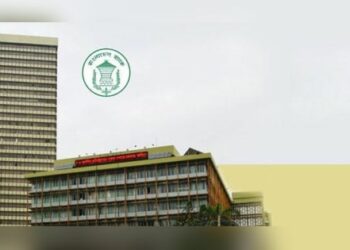
- The Bank of Korea said it would build an offshore won settlement network, to run 24 hours a day from next year, eliminating foreign-exchange limits for foreigners investing in Korean stocks and government bonds.
- The government said it would push measures including expanded local currency trading (LCT), broader trade financing using currency-swap funds, and a legal basis for issuing won-denominated stablecoins.
Forecast Trend Report by Period


Government unveils roadmap to internationalize the won and improve access to the currency
Unlimited won trading between foreigners to be allowed
Offshore won settlement network to start next year
Direct local-currency settlement between exporters to expand
“Policy is shifting from crisis prevention to openness,” official says
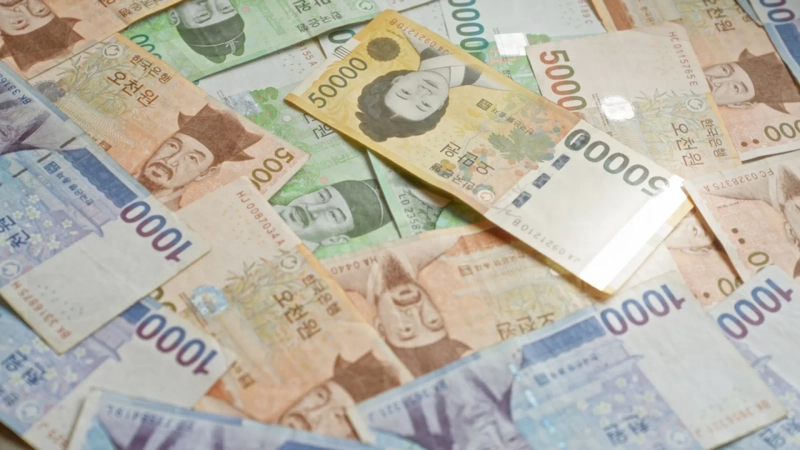
Foreigners will soon be able to open won accounts at overseas banks and trade the Korean currency with other foreigners. South Korea’s government said it will create a dedicated channel for won transactions between nonresidents as part of its push to internationalize the won. The plan is intended to make won trading easier for foreigners and encourage investment in won-denominated assets.
Foreigners to trade won through overseas banks
The government on July 19 announced a roadmap for the internationalization of the won. Lee Hyoung-ryeol, director-general for international finance at the Ministry of Economy and Finance, said South Korea’s foreign-exchange policy had focused on crisis prevention since the Asian financial crisis. It is now shifting toward capturing the economic benefits of a more internationalized won.
The won accounted for 1.8% of global foreign-exchange trading in December last year, ranking 12th worldwide, according to the Bank for International Settlements. The dollar was dominant at 89.1%, followed by the euro at 28.5%, the yen at 16.9%, sterling at 10.2% and the yuan at 8.6%. In other words, 89 out of every 100 foreign-exchange transactions worldwide include the dollar. Because FX trading involves currency pairs, the combined total is expressed as 200%. The government said the won’s international use remains limited relative to the size of South Korea’s economy.
As a first step, authorities began operating the foreign-exchange market on a 24-hour basis from July 6, extending trading beyond the previous 2 a.m. close. Starting in January 2027, the method for calculating the benchmark exchange rate will also be revised to align with global standards. The current method, known as MAR, uses a weighted average of all trades executed between 9 a.m. and 3:30 p.m. That will be replaced by TWAP, which averages selected transactions conducted during a two-minute-30-second window around 4 p.m.
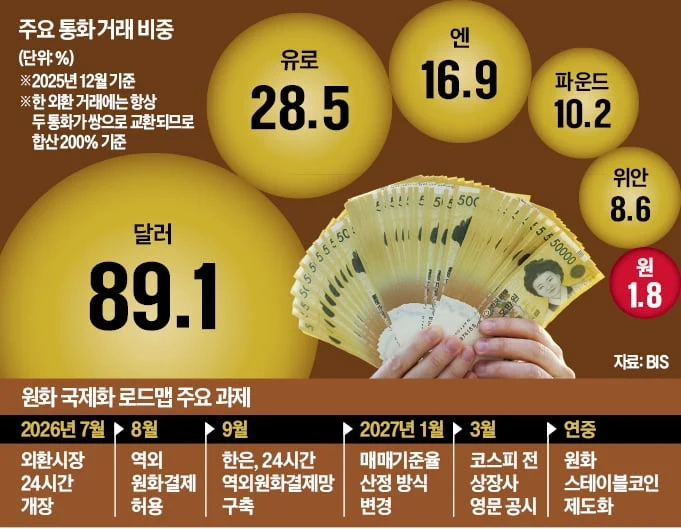
Starting in August, the government will allow unrestricted won trading between foreigners using offshore won settlement institutions. Those institutions are overseas-based foreign financial firms that meet certain requirements and register with the Ministry of Economy and Finance. For example, a US asset manager would be able to open a won account at JPMorgan Chase Bank in New York and deposit or hold won for investment in Korean bonds. A German auto-parts company would also be able to pay a South Korean supplier in won held at a bank in its home country.
The Bank of Korea will build a new offshore won settlement network to support final settlement of won trades between foreigners. It will begin a pilot program in September and operate the system around the clock from January 2027. Lee said foreign investors currently cannot exchange into won during daytime hours in their home markets when it is nighttime in South Korea, even if they want to invest in Korean stocks or government bonds. Removing that constraint is the core of the won internationalization plan.
Expanding won demand and supply
The government is also pushing to expand direct trading between the won and foreign currencies. It plans to establish a local currency trading, or LCT, framework under which importers and exporters can settle trade in their own currencies with major trading partners. Under that system, South Korean banks would open local-currency accounts at foreign banks, while foreign banks would open won accounts at South Korean banks, allowing companies in both countries to trade directly in their domestic currencies.
Authorities also plan to expand trade financing using currency-swap funds. Under that arrangement, if the Bank of Korea supplies won to another country’s central bank through a swap line, that central bank would lend won to importers through its domestic banks and pay South Korean exporters in won. The government is also reviewing export-financing incentives when won is used in contracts with foreign governments for purchases such as defense products and nuclear power plants. It also plans to establish a legal basis for issuing, distributing and trading won-denominated stablecoins.
Kim Il-gyu and Nam Jung-min, Hankyung reporters black0419@hankyung.com