
The won-dollar exchange rate held in the upper 1,340 won range during morning trading on the 15th, limiting its upside even as the U.S. 10-Year Treasury yield breached the psychologically significant 5% threshold for the first time since October 2023. International oil prices surged above $100 per barrel on Middle East supply disruptions and the dollar index strengthened, but dollar-selling by South Korean semiconductor exporters kept a lid on the exchange rate.
In the Seoul foreign exchange market, the won-dollar rate traded at 1,348.35 won (approximately $1) as of 9:46 a.m., up 1.05 won (approximately $0.0008) from the previous session. Overnight in offshore markets, the rate briefly touched the 1,350 won (approximately $1) level amid escalating Middle East tensions before giving back some of its gains.
The upward pressure on the exchange rate stems from the closure of Saudi Arabia’s East-West Pipeline. The pipeline, damaged by a drone attack launched from Iraq, was a critical bypass route around the Strait of Hormuz capable of transporting 7 million barrels per day. On the news, Brent crude futures — the global benchmark — spiked to $108 per barrel (approximately 150,000 won) intraday before settling at $105.68 (approximately 140,000 won), up 1.02% from the previous session. West Texas Intermediate (WTI) also rose 1.34% to $101.39 (approximately 140,000 won). However, much of the intraday surge was retraced after U.S. President Donald Trump mentioned Iran’s willingness to negotiate.
The oil price spike fueled concerns about entrenched inflation. The U.S. August Consumer Price Index (CPI), released on the 11th, rose 0.4% month-over-month and 3.4% year-over-year, in line with market expectations, but core CPI excluding food and energy rose 0.3% month-over-month, exceeding the 0.2% forecast. This was interpreted as a signal that inflationary pressures persist, highlighting the possibility of additional tightening by the U.S. Federal Reserve.
The U.S. 10-Year Treasury yield breached 5% intraday before paring gains to close at 4.987%, up just over 0.01 percentage point from the previous session. The 5% level is considered a key psychological threshold in financial markets. The dollar index strengthened to 99.54.
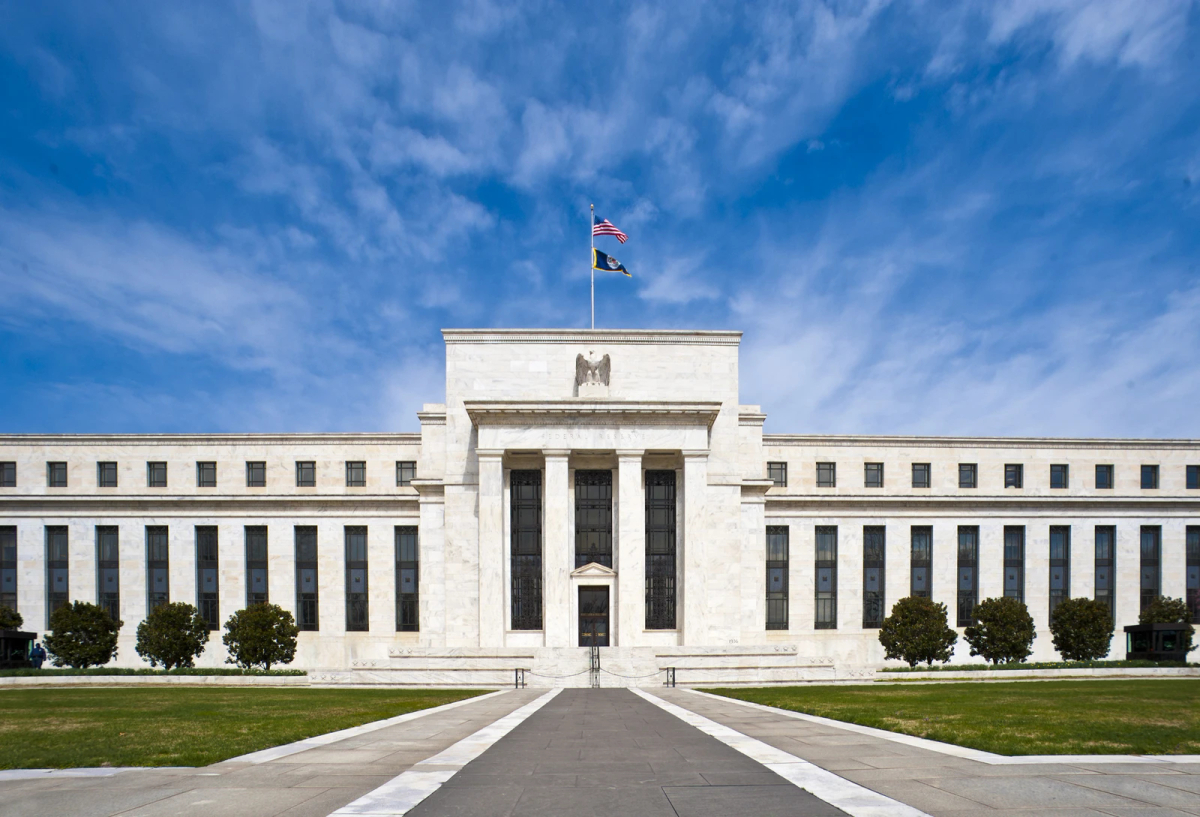
According to the CME FedWatch Tool, interest rate futures markets are pricing in a roughly 92% probability that the Fed will raise its benchmark rate by 25 basis points at the Federal Open Market Committee (FOMC) meeting on the 15th-16th. Market attention is focused not just on whether the Fed hikes this time, but on the dot plot and the Fed’s messaging regarding the possibility of additional increases.
Factors Capping the Exchange Rate’s Upside
Domestic factors are playing a significant role in preventing the won-dollar rate from breaking above the 1,350 won level despite rising U.S. Treasury yields and dollar strength. Steady dollar-selling by export companies, particularly in the semiconductor sector, is capping the upside. At the 1,330 won (approximately $0.98) level, bargain-hunting dollar purchases by importers and other end-users are also flowing in, making it difficult to establish a one-sided directional move.
South Korean equities are also holding up relatively well. Overnight, New York stocks fell across the board as concerns about the pace of artificial intelligence (AI) adoption emerged, but the KOSPI posted modest gains while the KOSDAQ rose more than 1%. The S&P 500 fell 37 points (-0.48%) and the Nasdaq Composite dropped 146 points (-0.56%). The fact that foreign selling in South Korean equities has not been significant is also easing downward pressure on the won.
The yen’s movement is another variable to watch. In New York trading, the dollar-yen rate rose about 0.5% to the 154 yen (approximately $1) level, with the yen weakening. However, expectations that the Bank of Japan will raise rates on the 18th remain intact, so it remains to be seen whether yen weakness will expand significantly. If the yen turns stronger amid efforts by U.S. and Japanese monetary authorities to curb yen depreciation, it could partially ease downward pressure on Asian currencies overall.
Market Outlook and Risk Factors
Citigroup identified five risk factors that could shake financial markets through year-end: a hawkish Federal Reserve, rising global bond yields, unwinding of yen carry trades, an oil shock, and European natural gas supply disruptions. The analysis suggests that the recent rise in global rates reflects inflation concerns stemming from higher energy prices rather than recession fears.
Market participants expect the won-dollar rate to probe for direction around the 1,340 won level for the time being. While the possibility of additional Fed hikes and rising oil prices and global rates act as upside factors, export companies’ dollar-selling and expectations for yen strength are likely to limit the exchange rate’s gains.
Ahead of the FOMC decision, market participants are not showing strong directional conviction. If U.S. Treasury yields and oil prices rise further, the exchange rate could attempt to break above the 1,350 won level, but if the yen strengthens and export companies increase dollar sales, the upside is likely to remain capped.