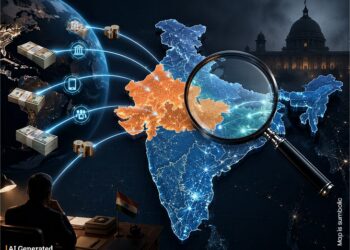


International money transfers from India have evolved significantly over the last decade. Whether it is paying university fees abroad, supporting family members overseas, funding travel expenses, making investments, or handling medical expenses, Indians now have more options than ever before for sending money internationally.
For years, banks were the primary channel for overseas transfers. However, the emergence of fintech platforms and foreign exchange companies has transformed the market by offering faster transactions, better exchange rates, lower fees, and a more convenient customer experience.
Today, an increasing number of Indians are choosing fintech platforms and foreign exchange companies over traditional banks for their international money transfer needs.
Why Banks Dominated Outward Remittance
Traditionally, banks were the most trusted institutions for international remittances. Customers relied on banks because of their extensive branch networks, established reputation, and regulatory oversight.
However, international transfers through banks often came with challenges such as:
-
Higher transfer fees -
Less competitive exchange rates -
Lengthy processing times -
Limited transparency in charges -
Complex documentation processes
As customer expectations evolved, alternative service providers began addressing these pain points.
The Rise of Fintech Platforms
Fintech companies have revolutionized international money transfers by leveraging technology to simplify the entire process.
Key advantages offered by fintech platforms include:
Faster Transfers: Many fintech platforms process international transfers within hours instead of several working days.
Digital Convenience: Users can complete transactions online through websites or mobile applications without visiting a branch.
Transparent Pricing: Fintech providers typically display exchange rates and transfer fees upfront, helping customers understand the exact cost of the transaction.
Better User Experience: Simplified interfaces, real-time tracking, and instant notifications have improved customer satisfaction significantly.
How Foreign Exchange Companies Are Gaining Popularity
While fintech platforms focus heavily on technology, foreign exchange companies combine digital convenience with specialized expertise in currency exchange and international remittances.
These companies have become increasingly popular among students, travelers, NRIs, and families sending money abroad.
Competitive Exchange Rates
Foreign exchange companies often provide more attractive exchange rates compared to traditional banking channels.
Even a small difference in exchange rates can result in substantial savings when transferring large amounts.
Personalized Support
Unlike fully digital platforms, many foreign exchange companies offer dedicated customer support to guide customers through documentation, compliance requirements, and transaction processes.
Multiple Remittance Purposes
Foreign exchange companies facilitate transfers for:
-
Overseas education -
Family maintenance -
Travel expenses -
Medical treatment abroad -
Gift remittances -
Investments -
Emigration-related expenses
Regulatory Compliance
Authorized foreign exchange companies operate under RBI guidelines and ensure compliance with Liberalised Remittance Scheme (LRS) regulations.
Comparing Banks, Fintech Platforms, and Foreign Exchange Companies
|
|
|
|
|
|---|---|---|---|
|
|
|
|
|
|
|
|
|
|
|
|
|
|
|
|
|
|
|
|
|
|
|
|
|
|
|
|
|
|
|
|
|
|
|
|
|
|
|
|
|
|
|
|
|
|
|
|
|
|
Key Takeaway: While banks remain a trusted option, fintech platforms excel in speed and convenience, whereas foreign exchange companies often provide a balance of competitive exchange rates, personalized support, compliance assistance, and digital convenience for overseas transfers.
Recent Changes Driving Adoption
India’s remittance ecosystem has become more customer-friendly due to technological advancements and regulatory developments.
Consumers now expect:
These expectations have accelerated the shift away from traditional banking channels.
Additionally, RBI’s evolving digital payments ecosystem has encouraged innovation, allowing authorized fintech and foreign exchange providers to offer more efficient cross-border payment solutions.
How Orient Exchange Is Contributing to This Transformation
Orient Exchange is contributing to the evolution of international money transfers by offering innovative solutions, competitive exchange rates, dedicated customer support, and seamless digital solutions for education, travel, medical, and family remittances.
Innovations such as the Uni-Pay Card simplify overseas education payments by enabling instant payment confirmation, reducing processing delays, and allowing students to make payments even before obtaining their visa in many cases.
Additionally, recent RBI regulatory changes have expanded family remittance services beyond traditional banks, allowing authorized foreign exchange companies like Orient Exchange to facilitate overseas transfers for family maintenance. This gives customers access to more competitive exchange rates, lower transfer costs, greater convenience, and increased choice when sending money to family members abroad.
Factors to Consider Before Choosing a Transfer Provider
Before sending money overseas, compare providers based on:
-
Exchange rates -
Transfer fees -
Processing speed -
Customer support quality -
Regulatory compliance -
Transaction limits -
Online convenience
Choosing the right provider can help reduce costs and ensure funds reach beneficiaries quickly and securely.
Conclusion
The international money transfer landscape in India is undergoing a major transformation. While banks continue to play an important role, fintech platforms and foreign exchange companies are increasingly becoming the preferred choice for customers seeking better exchange rates, faster transfers, transparent pricing, and enhanced convenience.
As technology continues to reshape financial services, the competition between banks, fintech platforms, and foreign exchange companies will ultimately benefit customers through improved services, lower costs, and greater accessibility for overseas transfers.