

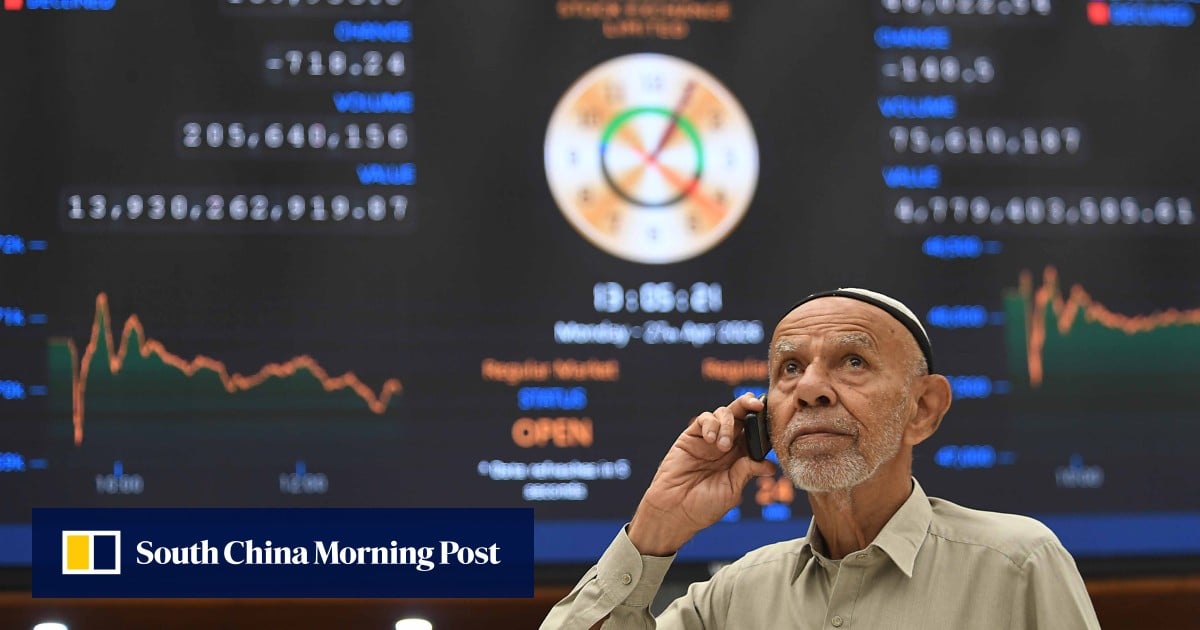
With peace efforts stalled after a temporary ceasefire earlier in April, one potential source of relief has faded, leaving Islamabad facing a rising import bill, tighter external financing and more conditional support from Gulf partners at a time when domestic energy curbs could weigh on growth.
A report by Oxford Economics warned that higher oil prices could quickly erode the country’s foreign exchange buffers if imports and remittances do not adjust.
Callee Davis, senior economist at Oxford Economics, said the firm’s updated forecast assumed oil would average US$113 per barrel in the second quarter of 2026 before easing to US$79 by the end of the year.
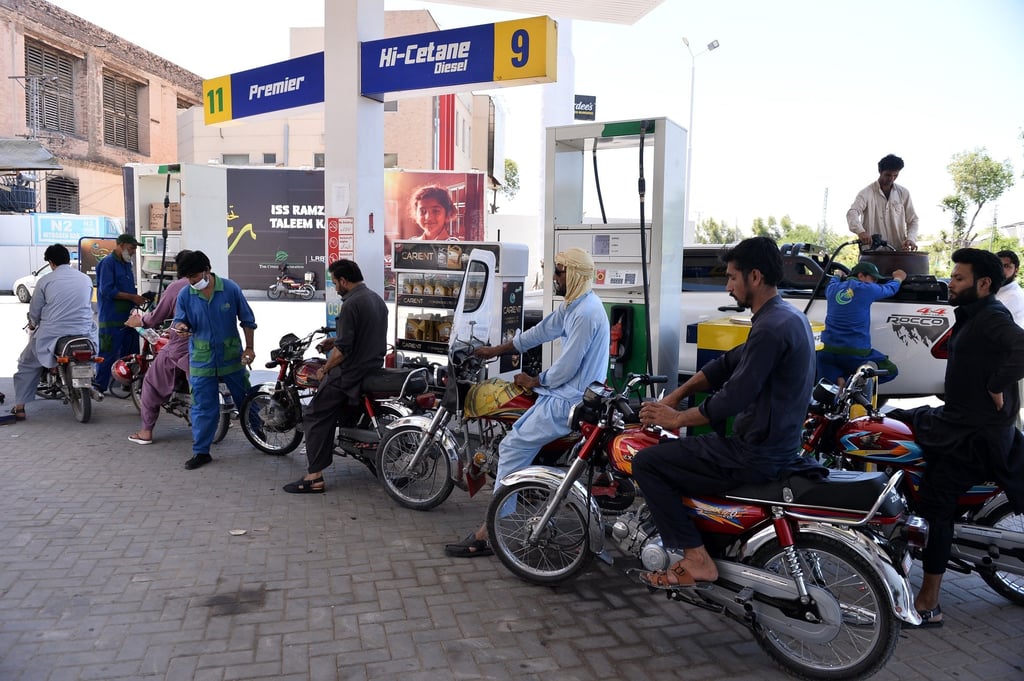
Under that scenario, and with no change in imports or remittance behaviour, Pakistan’s reserves would “deteriorate sharply”, falling to US$6.8 billion by the end of 2026 and approaching US$1.6 billion by the 2028 financial year, Davis said.