
Egypt is starting to recover from what was, in 2023, a widening gap between its official currency exchange rates and black-market rates. With a record high inflation rate of 38% documented in September 2023, Egypt’s economy remains caught between the two exchange rates. To facilitate an understanding of the timeline, these figures reflect the peak of the crisis in 2023, followed by developments in 2024 and 2025 as reforms continued to unfold. Although the peak of inflation in Egypt has passed, recorded as 13.6% in March 2025, food prices continue to surge and remain an area of difficulty for the population. Meanwhile, the Central Agency for Public Mobilization and Statistics (CAPMAS) continues to withhold poverty data, feeding fears that although there is an apparent phase of stabilization, worsening hardship and poverty may be masked.
Currency Dynamics and Discrepancies
Egypt has long held the problem of what can be known as a dual-rate system. While the Central Bank of Egypt sets an official currency rate against the U.S. dollar, the black-market rate continues to fluctuate based on supply and demand. As Egypt is heavily dependent on imports, many businesses and individuals need access to dollars to purchase goods and services. However, when the dollar supply becomes insufficient through official channels, many have to turn to the black market, where the exchange rate is significantly higher.
This reveals a widening gap between those who have access to foreign currency and those forced to rely on depreciating and unstable Egyptian pounds. Although this gap has narrowed in 2025, businesses still struggle to access dollars, driving up both import and consumer prices. These developments reflect gradual adjustments since 2023 instead of focusing solely on a single moment of change.
Inflation in Egypt and Purchasing Power
Although a recent decline in inflation in Egypt has been observed, pressure remains. In January, inflation in Egypt increased by 1.6% after having been stable in December. Despite this, the cost of health care services continues to rise by 4.6% monthly, with sustenance costs increasing by 2.1%. This continues to drive poverty and decrease the purchasing power of individuals, as the prices of goods erode real wages.
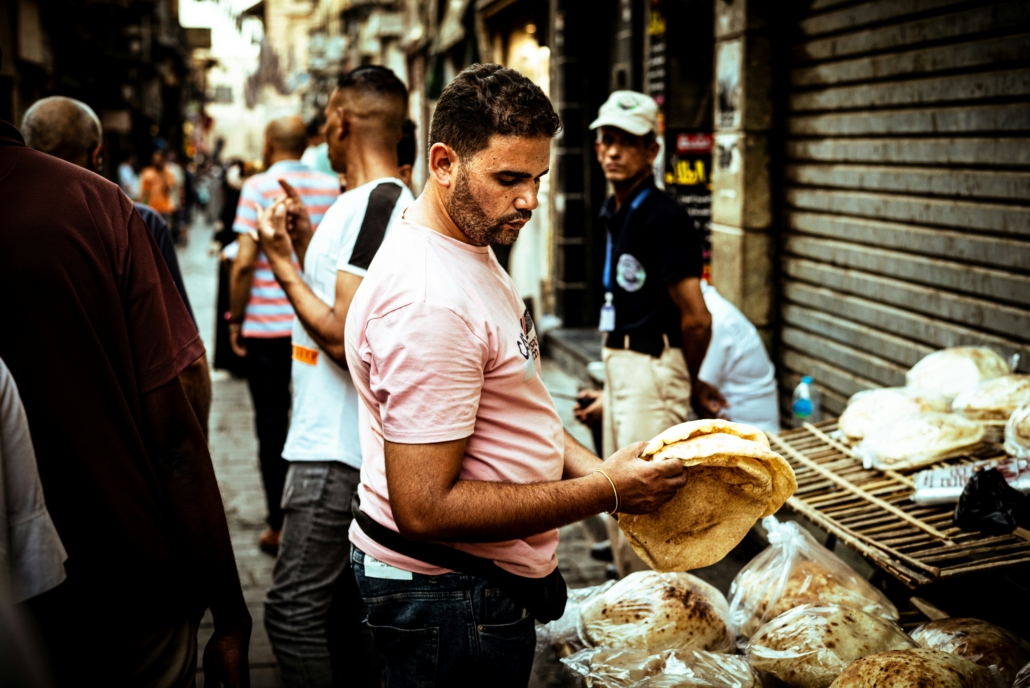
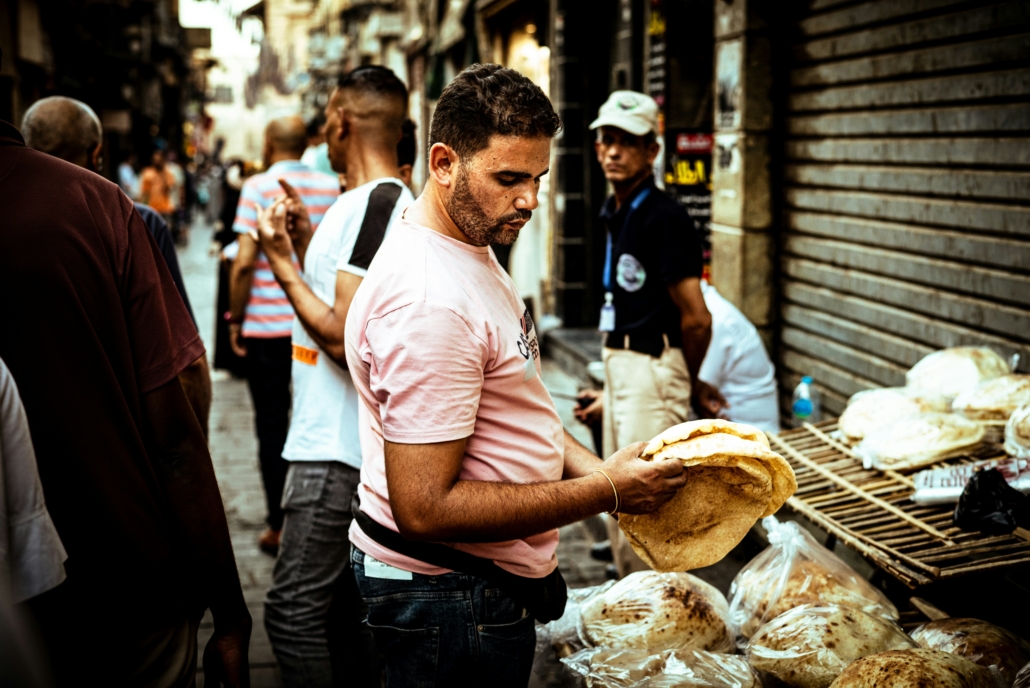
Egypt’s reliance on Russia for wheat, and the impacts of the war in Ukraine, have doubled bread costs. The government has tried to reduce these increases through subsidies and price restrictions, and many protests have occurred over the years regarding the price of bread. Even with slower inflation and subsidies, purchasing power remains weakened, with many still below the poverty line, although this is beginning to decrease.
There are also concerns regarding how CAPMAS defines poverty. The latest report classifies extreme poverty as 550 pounds per month per person, and poverty as 857 pounds per month. These definitions are not in line with global poverty standards. Therefore, what appears to be a decrease in poverty may partly reflect shifts in definitions.
Disproportionate Impacts on Business and Living Standards
Various groups of people are being affected in different ways by the economic crisis. One example is young people giving up on education and resorting to any available work to sustain themselves and their families. This includes redefining what a decent life means, as many are no longer able to uphold previous standards. This has also led to a decrease in confidence regarding the future, with concerns about stability. Many Egyptians have moved back in with family, delayed marriage or given up on private further education.
Businesses are also struggling, as many rely on higher unofficial exchange rates to operate. This leaves them with higher running costs and makes it difficult to stay afloat. With fluctuating inflation, instability and record import prices, many businesses operate at a loss or at reduced capacity. As individuals lose purchasing power, they are less able to afford goods and services that once fit within their budgets.
Policy Response and Recommendations
In recent years, Egypt has been heavily reliant on loans from the International Monetary Fund (IMF) and its Gulf allies. In 2024, the IMF approved a $3 billion loan for Egypt with the condition of “a permanent shift to a flexible exchange rate regime.” With effective implementation, Egypt may be able to improve economic stability and build resilience. This would require measures that boost investor confidence, increase transparency and reduce incentives for black-market activity. Investor confidence could be strengthened through clearer public communication of monetary policy, more frequent publication of economic data and improvements in financial governance that make procedures easier for businesses and households to navigate.
To do this, Egypt needs to strengthen its foreign currency reserves by increasing and diversifying foreign investment and exports. Foreign currency reserves could also receive support through the encouragement of investment in infrastructure that improves transport and shipping efficiency, which would lower import costs and encourage export competitiveness. A focus on greater flexibility of the official exchange rate would go a long way toward this stable future, in which market forces play a more influential role, keeping in mind that adjustments need to be gradual to inhibit shocks and destabilization. Gradual adjustments paired with targeted fiscal measures would support small and medium-sized businesses during periods of volatility, which would also support employment and production.
Looking Ahead
In clarifying the progression from 2023 through 2025 and devising practical steps for reform we can see how stabilization may eventually translate into improvements, namely the alleviation of poverty, felt across society. While current data indicate a decline in poverty and unemployment, many Egyptians have not yet felt improvements in daily life. The country could benefit from intentional efforts toward a more stable and transparent economic landscape for a future where the positive impacts reach every household.
– Maryam Qutbuddin
Maryam is based in Reading, UK and focuses on Business and New Markets for The Borgen Project.
Photo: Unsplash