

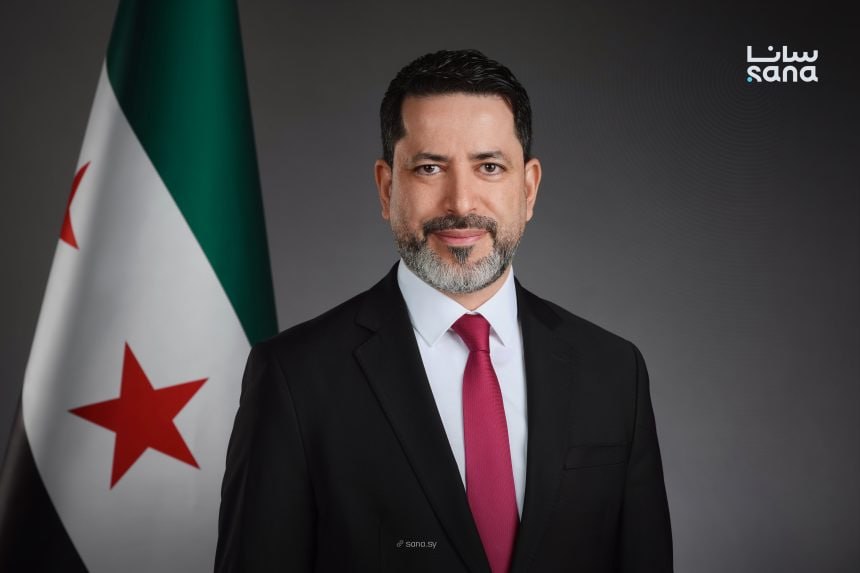
Damascus, Sept. 27 (SANA) Syria expects foreign capital flowing into the country to establish new banks to exceed $1 billion in the coming period, Central Bank Governor Mohammad Safwat Raslan told SANA, as the country seeks to expand the banking sector and restore its links with international financial networks.
Raslan said new Islamic and conventional banks would be subject to licensing requirements covering experience, reputation and financial solvency. Applicants would also need a strategic banking partner holding at least a 10 percent stake in the bank being established.
He said foreign investors would be allowed to retain 60 percent of their paid-in capital in foreign currency, with the law safeguarding profit transfers and removing restrictions on buying, selling and transferring foreign currency.
The comments follow growing interest from regional financial institutions in entering the Syrian market. Seven delegations have expressed interest in establishing banks in Syria, Central Bank officials said at an Arab banking conference in Amman last week.
Raslan said Jordanian banks had submitted applications to invest in Syria, while Jordanian banks already operating in the country were seeking to increase their investments.
Raslan said the Central Bank was moving toward requiring financial institutions providing international remittance services to pay beneficiaries exclusively in foreign currency.
Changes planned for international remittances
“We encourage all international money transfer service providers to enter the market through Syrian financial institutions,” Raslan said, adding that the aim was to establish secure transfer channels for Syrians and foreigners and protect their rights and interests.
Raslan said most Syrian banks had begun introducing electronic monitoring tools related to SWIFT connectivity and FATF requirements.
The Central Bank has been working to restore correspondent banking relationships and reconnect Syrian lenders with regional and international financial networks. Its 2026-2030 strategy includes changes to banking supervision, payment systems, legislation and anti-money laundering compliance.
Arab currencies considered for trade settlements
Raslan said the Central Bank was moving toward using Arab currencies pegged to the U.S. dollar to settle imports and exports.
He said using those currencies could facilitate trade between Syria and those countries, while easier transfers and increased flows of funds would strengthen purchasing power and gross domestic product, support price stability and help curb inflation.