

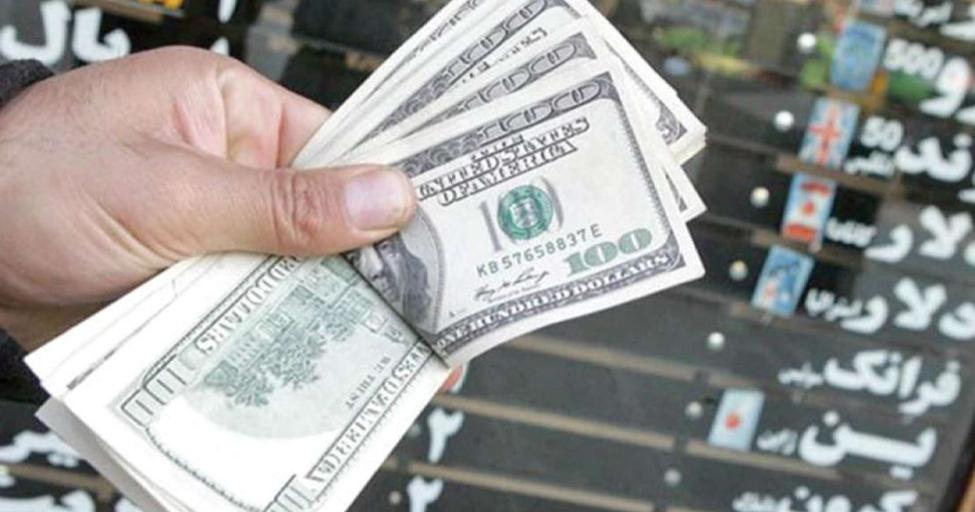
Foreign currency prices in Iran’s open market set new records on Wednesday, September 9, with the U.S. dollar rate crossing 232,000 tomans. Several currency-tracking platforms reported noon trading rates reaching as high as 235,500 tomans.
Concurrently, the euro surpassed 271,000 tomans, while the British pound exceeded 315,000 tomans. These surges occurred as the Iranian rial lost over 15 percent of its value against the dollar over the preceding two weeks.
The gold and coin markets similarly reached historic highs. The price of the Emami gold coin briefly touched approximately 240 million tomans, while Old Design coins traded at 237 million tomans. Half-gold coins were priced at 122 million tomans, Quarter-coins at 65.5 million tomans, and Gram-coins at 34 million tomans.
The price per gram of 18-karat gold climbed to 24,061,000 tomans, with 24-karat gold reaching 32,078,000 tomans. The global spot price for gold was reported at $4,402 per ounce.
The record-breaking surge in currency and gold occurred hours after the U.S. military targeted five additional oil tankers carrying Iranian petroleum. Declining oil exports and tightening restrictions on the Islamic Republic’s access to foreign currency reserves have heightened public anxiety regarding the Central Bank’s capacity to stabilize the market.
The rapid depreciation accelerated following the expansion of Washington’s “Operation Economic Rejection” pressure campaign and the suspension of commercial and financial transactions between the United Arab Emirates and Iran. These developments have severely constricted Iran’s traditional channels for international trade and capital transfers.
On Tuesday, the U.S. Department of the Treasury designated 36 individuals and entities tied to Iran’s aviation sector, including 27 commercial airlines. Pointing to the designation of all remaining Iranian airlines, the Treasury warned foreign companies that continued cooperation could trigger disconnection from the global financial system.
The U.S. Treasury stated that these sanctions form part of Washington’s campaign to impose “severe consequences” on individuals and firms funding the Islamic Republic.
Central Bank Governor Abdolnasser Hemmati previously dismissed reports of foreign currency shortages, attributing the rial’s collapse to “precautionary and speculative demand” alongside capital flight. He asserted that the Central Bank stands ready to inject up to $2 billion into the market if necessary, statements that failed to stem the rapid rise in exchange rates.
The soaring foreign exchange rates directly inflate the cost of imports, raw materials, and manufacturing, threatening to trigger a fresh wave of price hikes across basic goods and services. Point-to-point inflation in Iran was officially recorded at 89 percent in August, before the latest rial devaluation, with average food and beverage prices climbing by over 127 percent.
On August 31, a group of parliamentarians warned the heads of the three branches of government in an open letter about market volatility, stating that ongoing fluctuations in currency, gold, and coin prices have deepened systemic uncertainty among citizens and economic actors.