

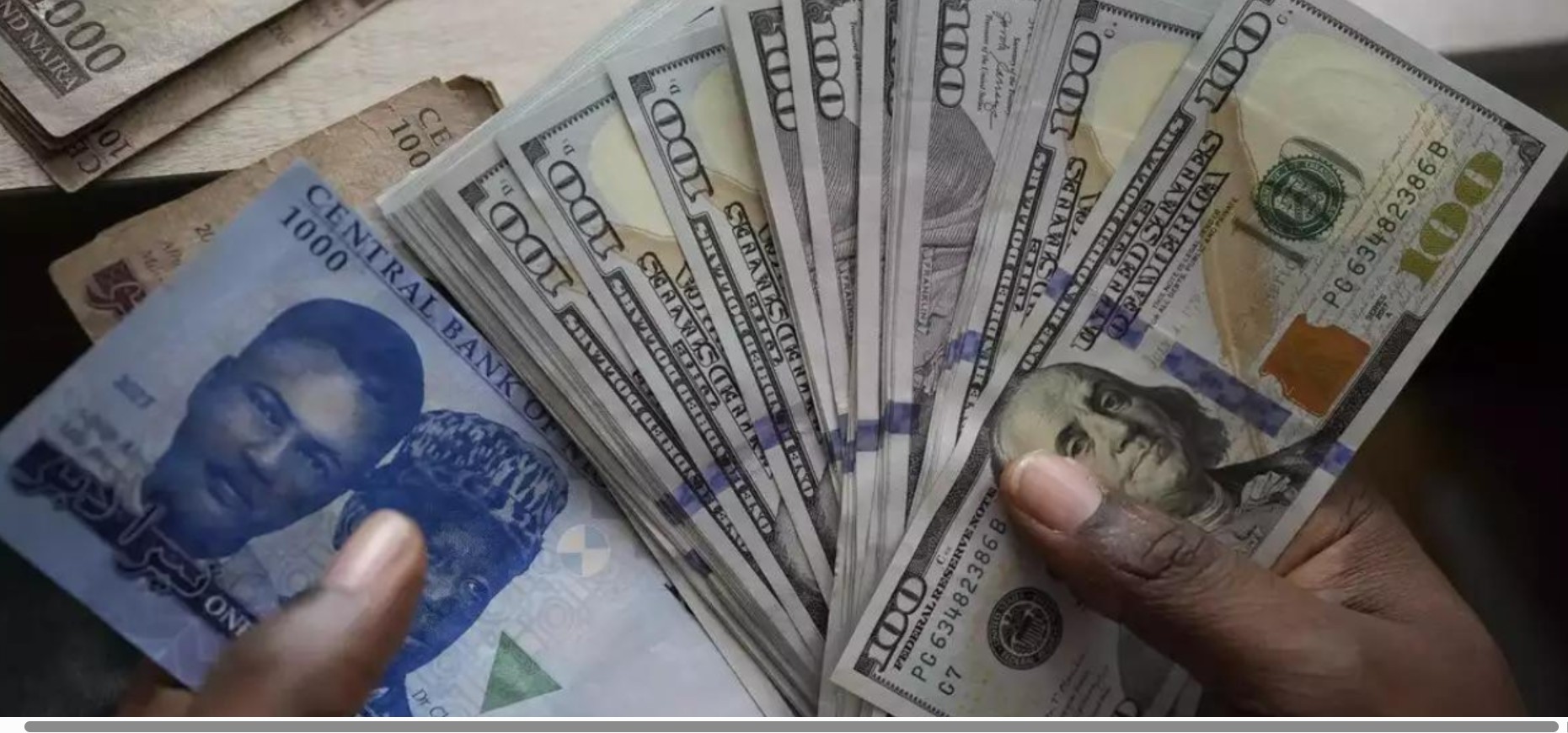
The Nigerian naira opened the
new trading week at about ₦1,331.20 per US dollar in the official foreign
exchange market, while the dollar traded around ₦1,395 in the parallel market.
The latest official-market
rate, based on data from the Nigerian Foreign Exchange Market (NFEM), was
recorded on Friday, September 18, with the naira marginally stronger than the
previous rate of ₦1,331.28/$.
A live USD/NGN benchmark on
Monday morning put the exchange rate at approximately ₦1,330.65/$, keeping the
naira around the ₦1,330 level at the start of the week.
In the parallel market, the
dollar was quoted at approximately ₦1,395, according to market reports.
This leaves a spread of about ₦63.80
per dollar between the latest official NFEM rate and the parallel-market
quotation.
Dollar to naira exchange rate
today
|
Market |
Dollar/Naira Rate |
|
Official/NFEM |
₦1,331.20/$ |
|
Live USD/NGN benchmark |
₦1,330.65/$ |
|
Parallel market |
₦1,395/$ |
|
Official-parallel spread |
About ₦63.80 |
The rates available to
individuals and businesses may differ from these reference levels depending on
the market, transaction size, liquidity and dealer margins.
Naira remains relatively
stable in official market
The latest NFEM data indicate
that the naira has traded within a relatively narrow range in recent sessions.
The currency’s official-market
performance comes amid continued monitoring of dollar liquidity, foreign
exchange demand and Central Bank of Nigeria (CBN) measures aimed at supporting
market stability.
Reuters reported last week
that the naira was trading around ₦1,328/$ in the official market and ₦1,390/$
in street trading, with market participants expecting relative stability
supported by CBN dollar sales and subdued import demand.
Parallel market maintains
premium
The parallel market continues
to trade above the official rate, reflecting different supply and demand
conditions across the two market segments.
At ₦1,395/$, the
parallel-market rate is about ₦63.80 higher than the latest NFEM rate of
₦1,331.20/$.
The size of the premium can
change quickly depending on dollar availability, demand from importers and
other foreign-exchange users, as well as prevailing market conditions.
What the exchange rate means
for Nigerians
At the reported parallel-market
rate of ₦1,395/$:
$100 would cost about ₦139,500
$500 would cost about ₦697,500
$1,000 would cost about ₦1.395
million
Actual transaction rates may
vary among banks, Bureau de Change operators and other authorised or informal
market participants.
What could influence the naira
this week?
The naira’s direction in the
near term will depend on the balance between dollar supply and demand.
Foreign-exchange inflows,
crude oil earnings, remittances, foreign investment, CBN interventions and
demand from importers and other businesses remain important factors for the
currency.
Nigeria’s external reserves
have also continued to strengthen, reaching $54.61 billion as of September 14,
2026, according to data cited from the CBN.
For businesses and individuals
with foreign-currency obligations, movements in both the official and parallel
markets remain important for determining the naira cost of imports,
international payments, tuition, travel and other dollar-linked transactions.
Note: Exchange rates fluctuate
during the day and can vary by market, location and transaction size. The rates
cited above represent reported/reference rates available as of September 21,
2026.