
Uganda and Ghana provide recent examples of how currency weakness can affect economies already exposed to global economic shocks.
While exchange rates naturally move with market conditions, prolonged depreciation can have consequences that extend beyond the foreign-exchange market.
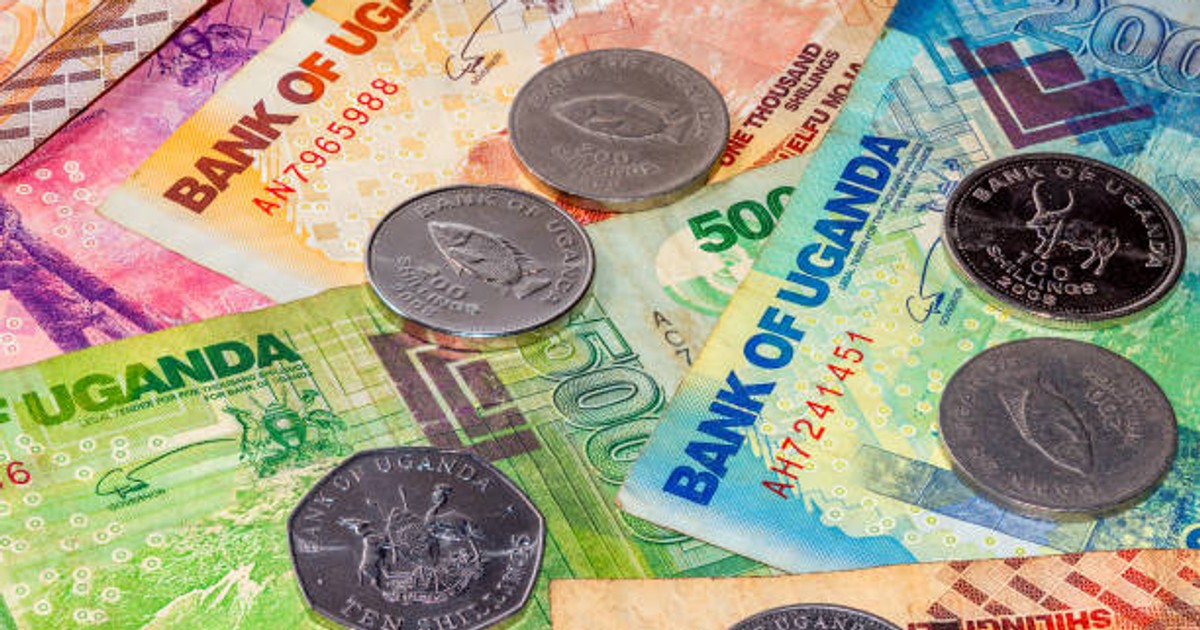
Uganda’s shilling has come under renewed pressure this month, with commercial banks quoting the currency at around 3,915-3,925 per dollar on September 24.
Reuters reported that strong demand for dollars from energy importers, manufacturers and other businesses was contributing to the pressure.
Ghana is facing a similar challenge. Reuters reported that the cedi was trading at around GH¢11.50 per dollar on September 17, compared with GH¢11.45 a week earlier, also seen on Reuters.
Demand for dollars from the energy and services sectors was exceeding supply, although gold revenues and central-bank support were helping to provide some stability.
A sustained decline in the cedi can make imported goods and foreign services more expensive while also increasing the local-currency cost of servicing dollar-denominated debt.
For consumers, the effects can appear through higher prices for fuel, food, electronics, and other imported products.
Businesses may also face greater uncertainty when planning investments or purchasing equipment from abroad.
The experiences of Uganda and Ghana show that currency depreciation is not simply a foreign-exchange issue.
With that said, here are the African countries with the weakest currencies in September 2026, per data from the Forbes calculator.