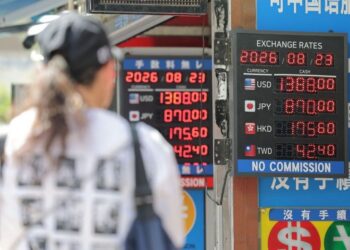

Iran’s currency briefly crossed a psychological threshold as shrinking oil revenues and disrupted financial channels deepened pressure on the economy.
The Iranian rial has set a new all-time low against the U.S. dollar. On the unregulated foreign exchange market, one dollar was quoted at 1.992 million rials. The national currency’s decline comes amid increased economic pressure from Washington on Tehran after nearly six months of military action.
Over the week, the rial lost 4.5% of its value. This followed U.S. President Donald Trump’s announcement of a large-scale economic operation against Iran. Data from the monitoring resource TGJU indicates that on Sunday the exchange rate briefly surpassed the psychological threshold of 2 million rials per dollar, although the currency partially recovered its losses by the end of trading.
Reasons for the Iranian Rial’s Decline
The rial is under pressure from U.S. actions aimed at restricting Iran’s foreign trade. Key factors include the blockade of Iran’s main ports in the Persian Gulf and restrictions on oil exports.
Iranian Central Bank Governor Abdolnaser Hemmati said that the country’s crude oil exports have effectively come to a halt. For Iran, this means a significant reduction in foreign currency revenues needed to support imports and stabilize the domestic market.
An additional blow came from the decision by the United Arab Emirates, one of Tehran’s key trading partners, to suspend all financial transactions with Iran. The financial publication Donya-e Eghtesad linked the rial’s weakening to difficulties with currency transfers, declining export volumes, rising demand for imported goods, and growing inflation expectations.
Tehran’s Response to U.S. Economic Pressure
Iranian military officials said they intend to respond firmly to economic pressure from the United States. At the same time, the rial’s rapid depreciation is increasing strain on the country’s economy, where access to foreign currency and imported goods is becoming ever more restricted.