

Republican lawmakers are proposing tougher measures targeting money sent abroad by migrants, including a new push to drastically increase taxes on remittances.
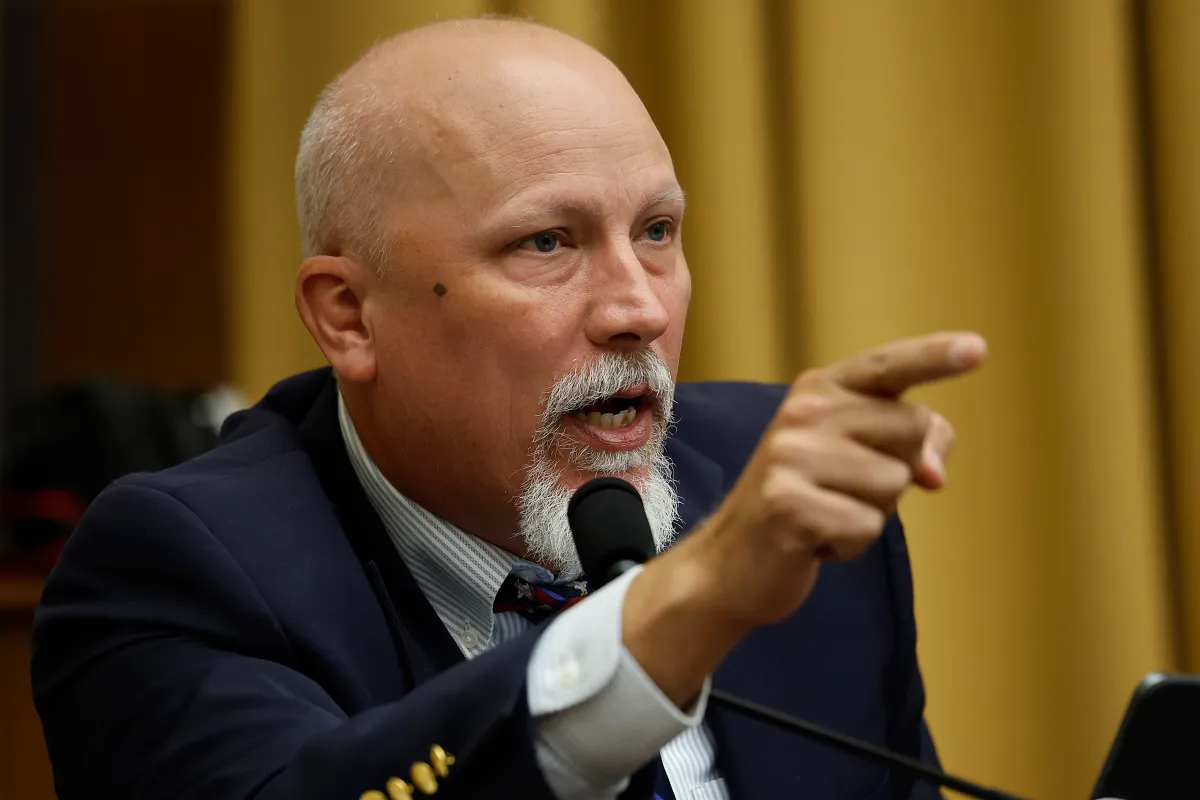
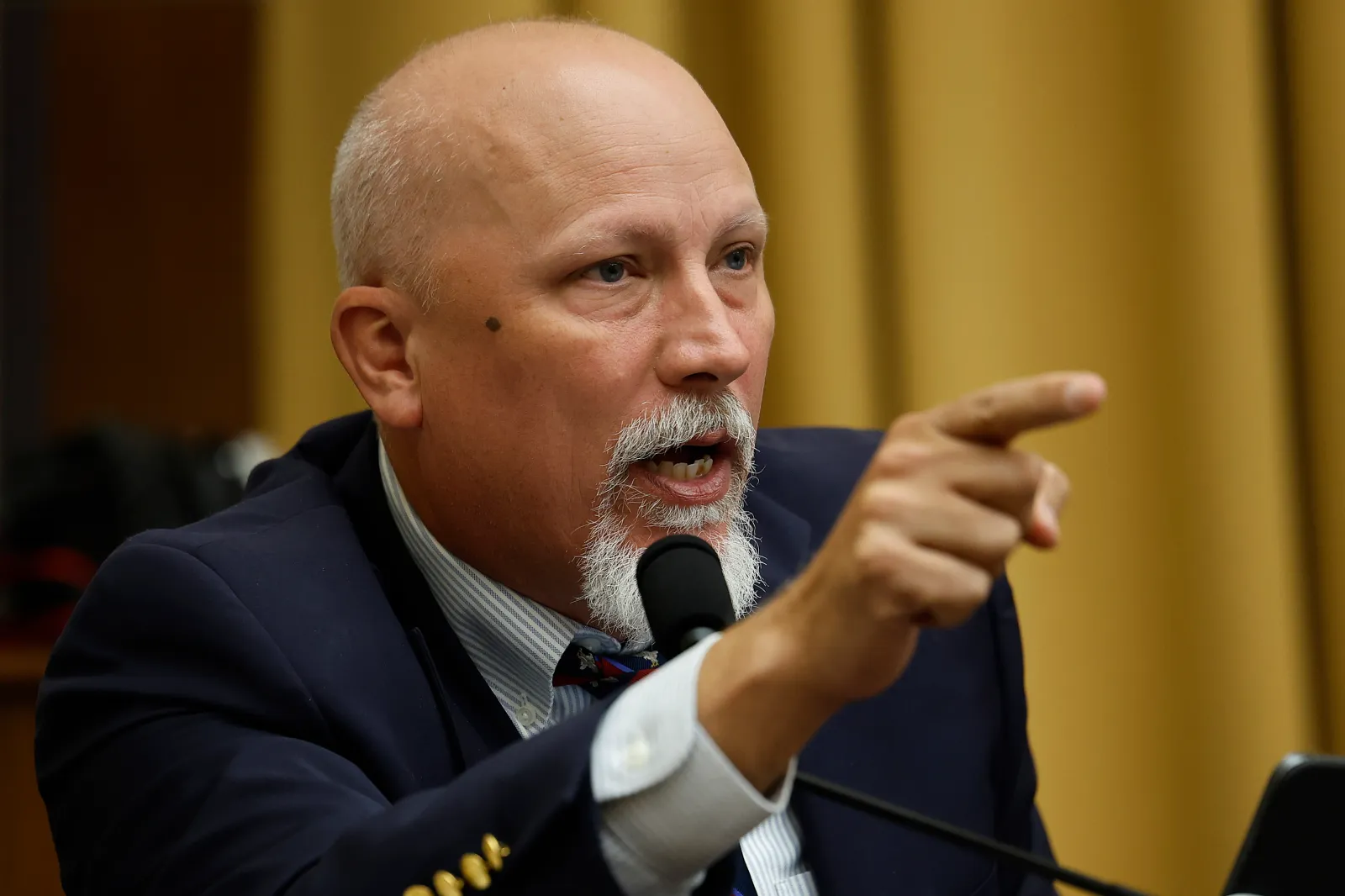
Representative Chip Roy, a Texas Republican, introduced the Reducing External Monetary International Transfers to Advance National Capital Efficiency (REMITTANCE) Act, which would impose a 25 percent tax on remittances sent by non-citizens to recipients overseas.
Remittances are money transfers sent to family or friends in their home country, typically from a nation where they are working. Millions of immigrants send money they earn in the U.S. to their home countries.
Why It Matters
The proposal builds on earlier GOP-backed remittance measures to charge migrants for payments sent overseas. The U.S. sent about $103.2 billion in outward remittances in 2024, according to World Bank data.
What to Know
The earlier Republican-backed remittance tax proposals were debated as part of President Donald Trump’s sweeping tax-and-spending package known as the “One Big Beautiful Bill.” Early versions of the legislation proposed a 5 percent tax on overseas remittances, which was later reduced to 3.5 percent as the bill moved through the House.
The final version, signed into law in July 2025, reduced the rate further to a 1 percent tax on certain remittance transfers. The tax took effect this year and applies primarily to transfers funded with cash or similar physical instruments, while many electronic transfers are exempt.
Roy said the proposal aims to curb the outflow of U.S. funds tied to immigration.
“The United States economy has dealt with the inextricably linked harmful effects of unchecked legal and illegal immigration and the drain of American dollars leaving the economy through remittances for decades,” he said in a press release.
The legislation has been backed by the Immigration Accountability Project (IAP), as well as the Federation for American Immigration Reform (FAIR), two hardline anti-immigration groups associated with the far-right restrictionist movement in the United States. The Southern Poverty Law Center has designated FAIR a hate group,
“American taxpayers are forced to pay billions of dollars of our hard-earned money to support foreigners—both legal and illegal—in the United States. The fact that a significant portion of that money is then sent out of our country in the form of remittances is outrageous,” Rosemary Jenks, director of policy at the IAP, said in a news release.
“Rather than serving as a deterrent, a remittance tax could actually incentivize more migration,” Veronique de Rugy, George Gibbs chair in political economy and senior research fellow with the Mercatus Center, previously told Newsweek. “If individuals believe they’ll need to earn even more to meet family needs due to the remittance penalty, they may be more likely to come—and stay longer—to offset that financial loss.”
The proposal comes after Trump signed an executive order this week that directs banks and regulators to increase scrutiny of financial activity linked to immigration status and cross-border transfers, which the administration says is intended to combat fraud and national security risks.
The executive order instructs regulators to strengthen customer identification requirements and identify patterns linked to illicit cross-border activity, including certain types of financial transfers. It also highlights risks associated with extending financial services to people without stable legal work authorization, urging enhanced due diligence by banks.
What Happens Next
The latest push by Roy would expand the approach by increasing the tax rate and targeting foreign nationals explicitly. It remains unclear how much support the measure will receive in Congress, where previous remittance tax proposals drew backing from conservative lawmakers and criticism from business groups and advocacy organizations.