

Alexandra Glickman, Martha Bane and Robby Kunz from Gallagher Global Brokerage underline the risk mitigation strategies that insureds and insurers alike should consider in light of record-high losses from severe convective storms.
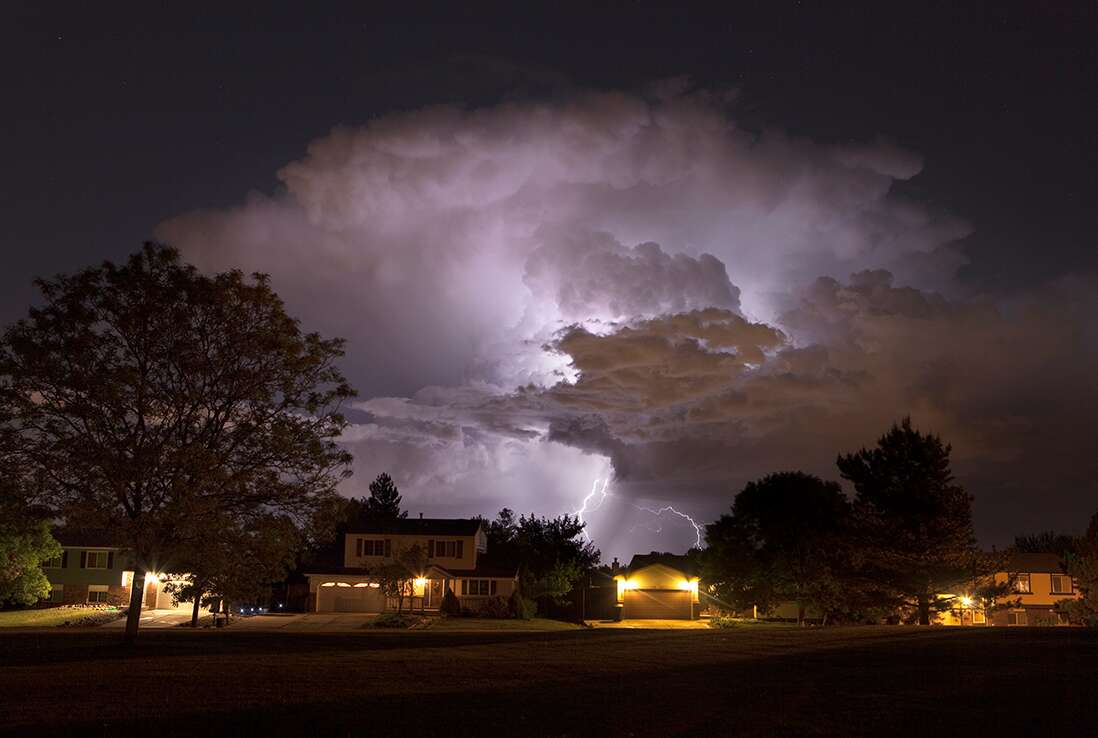
2023 marks the costliest year ever recorded for severe convective storms (SCS). With insured losses of nearly $60bn recorded in the US alone, there is increased focus on how primary insurance carriers and their policyholders should consider the peril.
If losses of this magnitude persist, insureds must consider risk mitigation strategies, the quality of their submissions to insurers, and the terms and conditions associated with coverage.
Risk mitigation strategies
Today’s economic climate of elevated interest rates has made projects or asset acquisitions that require debt financing less attractive. Insureds with cash on hand should focus on applying planned capex to hardening their assets – for example, fortifying buildings.
During an SCS, strong winds and sometimes hail wreak the most havoc on a structure’s exterior, particularly the roof. When repairing or hardening roofs, consider lessons learned from hurricane-exposed states like Florida. Metal roofing materials can withstand Category 4 hurricane-force winds of up to 160 mph, or the equivalent of an EF3 tornado (136-165 mph).
Conversely, brand-new asphalt shingles and similar roofing types can only withstand Category 2 hurricane-force winds of 110 mph, or the equivalent of an EF1 tornado. For older asphalt shingle roofs, this number drops as low as 50 mph, or an EF0 tornado (65-85 mph).
Less costly strategies like trimming trees and securing objects that may become projectiles can also help to minimise damage.
Additionally, taking care to preserve the property from further damage in the wake of a loss is just as crucial as pre-loss mitigation. Systems of rain often accompany these SCS events. If at all safe to do so, closing holes with temporary roofing can mitigate further water damage.
Submission data quality
As predictive models catch up to perils like SCS, underwriters have more manual work to do when determining property exposure to loss, and they will err on the side of caution. Make sure you tell your story and give a data-defensible picture of your risk, rather than falling victim to underwriter assumptions.
More data leads to better underwriting and more efficient pricing. For example, go beyond roof age, and include construction type, material and architectural style. These are important characteristics that help an underwriter determine their loss exposure.
Terms and conditions associated with coverage
By now, most insureds are accustomed to percentage wind hail deductibles, which are relatively new in the Midwest region of the US. Where coastal geographies exposed to Tier 1 wind risk have seen as high as 10 percent and 15 percent during these hardened market conditions, insureds in the central US are just getting used to 1-2 percent. Expect insurers to push for increases in these deductibles, especially on loss-affected business.
Lastly, insureds should review their ordinance and law (O&L) limits with their broker. Florida has some of the most progressive building codes in the country for dealing with wind. They have proven their worth when evaluating the loss performance of newly constructed buildings against older buildings.
As SCS losses persist, building codes must adjust to accommodate. Ensuring adequate O&L limits will ensure that at the time of loss, older properties are prepared to comply with the new regulations.
This article was first published in Gallagher Re’s 2023 Natural Catastrophe and Climate report. To download a copy of the report, click here.