
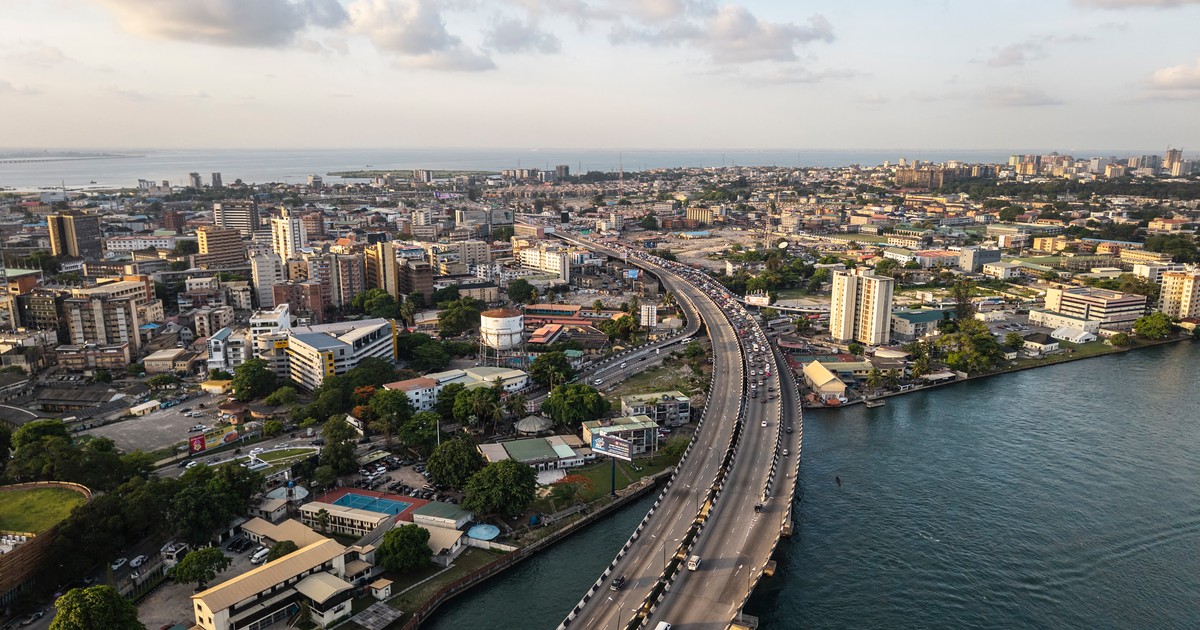
The ranking places Africa’s most populous country behind South Africa and Egypt, marking a significant shift from its former position as the continent’s largest economy.
Years of currency depreciation have reduced the dollar value of Nigeria’s economic output, despite continued growth in domestic production and its position as one of Africa’s largest consumer markets.
The IMF projects Nigeria’s economy will expand by 4.2% in 2026, outpacing South Africa, although persistent poverty, high business costs and infrastructure challenges continue to constrain economic progress.
Nigeria trails South Africa and Egypt in latest GDP rankings
According to the latest IMF projections, South Africa leads with a GDP of $489.08 billion, followed by Egypt at $442.89 billion and Nigeria at $386.67 billion.
Nigeria consequently trails South Africa by approximately $102.41 billion and Egypt by $56.22 billion.
For years, Nigeria dominated Africa’s economic rankings, particularly after a 2014 GDP rebasing exercise expanded the estimated size of its economy.
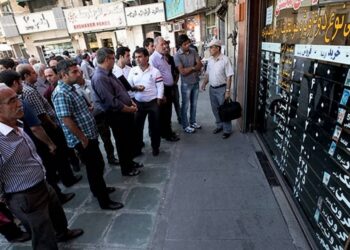
However, successive rounds of naira depreciation have reduced the country’s GDP when converted into US dollars, allowing South Africa and Egypt to move ahead.
In 2023, President Bola Tinubu’s administration introduced foreign-exchange reforms to reduce distortions in the currency market, improve access to foreign exchange and attract investment.
While the changes allowed the naira to adjust more freely against the dollar, the resulting depreciation increased the local currency cost of imports, foreign debt obligations and other business expenses.
Nigeria’s economy continues to grow despite currency pressures
Despite losing its position as Africa’s largest economy, Nigeria continues to record positive economic growth, supported by its oil industry, financial services, telecommunications, agriculture and expanding digital economy.
The IMF expects real GDP to grow by 4.2% in 2026, exceeding South Africa’s projected growth rate but trailing faster-growing African economies such as Ethiopia, Tanzania and Uganda.
Such differences highlight the distinction between economic size and growth, as currency depreciation can reduce a country’s GDP when measured in US dollars, even when domestic production increases.
Meanwhile, Nigeria’s 2025 GDP rebasing exercise broadened the coverage of economic activities, including digital services, informal businesses, insurance and modular oil refining, providing a more comprehensive picture of the economy.
Nevertheless, updated GDP estimates have not reversed the country’s decline in Africa’s dollar-denominated economic rankings.
Poverty and investment challenges weigh on Nigeria’s economy
Its large population and consumer market offer opportunities in banking, telecommunications, technology, manufacturing and energy.
However, unreliable electricity, infrastructure gaps, high financing costs and weak purchasing power continue to affect investment and business operations.
Among the country’s largest industrial investments is the Dangote Refinery, which could reduce dependence on imported petroleum products, support domestic manufacturing and ease foreign-exchange demand.
Yet major industrial investments have not resolved the broader economic pressures facing millions of Nigerians.
In its June 2026 assessment, the IMF acknowledged progress following Nigeria’s economic reforms but warned that living conditions remained difficult for many households.
According to the Fund, poverty had reached an estimated 63% under Nigeria’s national poverty measure, highlighting the gap between the country’s economic size and household living standards.
Despite these difficulties, Nigeria retains a significant position in Africa’s economy, supported by its population, energy resources and expanding services sector.