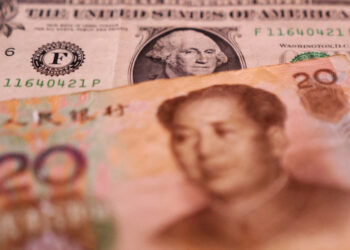


Ethiopia’s manufacturing sector reportedly saved the country 5.96 billion US dollars in foreign exchange during the 2025/26 fiscal year by replacing imported goods with domestic production—a figure nearly 10 times the sector’s annual export earnings, according to the Ministry of Industry.
If verified, the reported savings would make import substitution a far larger source of foreign-exchange relief than manufacturing exports, which generated 607.2 million US dollars during the year. However, the Ministry did not disclose how the savings were calculated or provide a breakdown by product and industry.
The announcement comes as Ethiopia struggles to strengthen its foreign-exchange position following the liberalisation of the birr and a broader package of macroeconomic reforms. Manufacturers remain heavily dependent on imported machinery, spare parts and raw materials, making the sector both a potential source of foreign currency and a major consumer of it.
The Ministry attributed the claimed savings to increased domestic production and a rise in locally manufactured goods’ share of the domestic market. That share increased from 30 percent to 46.41 percent under what officials described as a newly implemented industrial-policy approach.
Factory capacity utilisation climbed to 69.3 percent from 51 percent, suggesting that manufacturers are making greater use of existing production lines. The number of companies undertaking new manufacturing investments also increased by nearly half, rising from 112 to 165.
Kassa Alamraw, a team leader representing the Ministry’s Public Relations and Communications Executive, said the number of small and medium-sized industries rose from 2,760 to 4,233.
Employment attributed to these enterprises increased almost tenfold, from 45,550 to 448,717 jobs, according to the Ministry. It did not clarify whether the figure represented permanent jobs, temporary employment or cumulative opportunities created over several years.
Manufacturing export earnings rose from 308 million US dollars in the 2017/18 fiscal year to 607.2 million US dollars in 2025/26, an increase of 299.2 million US dollars. Despite almost doubling over the eight-year period, exports remain modest compared with the scale of the foreign-exchange savings claimed through import substitution.
The sector’s contribution to gross domestic product increased only marginally over the same period, from 6.2 percent to 6.82 percent, even as its reported growth rate accelerated from 5.5 percent to 12.7 percent. The figures suggest that manufacturing activity expanded but has yet to produce a substantial structural shift in an economy still dominated by agriculture and services.
The government has attributed the improvement to its macroeconomic reform programme, revised industrial strategies, new legal frameworks and greater policy attention to domestic manufacturing.
For continuous coverage of Ethiopian macroeconomic trends, industrial policy updates, and foreign-exchange developments, visit BirrMetrics.