

A pivotal week for global currencies is unfolding as traders weigh Tokyo’s next move against fresh clues from the American labor market.
The Japanese yen is holding on to its gains against the U.S. dollar and is heading for its strongest weekly performance in more than a month. Investors are increasing their bets on a possible interest-rate hike by the Bank of Japan, while the currency market awaits the release of U.S. employment data.
According to Reuters
During morning trading, the yen strengthened to 155.25 per dollar, nearly matching the 155.20 high recorded last month following the July intervention in the foreign-exchange market. The Japanese currency later weakened slightly and was last trading at 155.71 per dollar, little changed.
For the week, the yen could rise by approximately 2.5%. That would be its best weekly performance since late July, when Japan and the United States carried out a rare joint currency intervention to halt the Japanese currency’s sharp decline.
Despite a lack of clear signs of new official intervention, analysts attribute the yen’s sharp strengthening to expectations that the Bank of Japan could take a more hawkish stance at its September 17–18 meeting.
This looks less like short-term position closing and more like a cautious market reassessment of the Bank of Japan’s path toward tighter policy. Markets are finally beginning to factor in the possibility that Japan will continue normalizing its policy in 2027.
– Masahiko Lu, senior bond strategist at State Street Investment Management in Tokyo
Meanwhile, Japan’s top currency diplomat, Atsushi Mimura, said on Friday, September 4, that he was closely monitoring exchange-rate movements and maintaining constant contact with U.S. officials. His remarks kept alive market expectations of possible new intervention to support the yen.
Market awaits U.S. employment data
The dollar index, which tracks the U.S. currency against a basket of other currencies, remained at 99.01. The euro traded near $1.1625, while the pound sterling stood at $1.3527.
Investors’ main focus is on key macroeconomic data ahead of the September 15–16 meeting of the Federal Open Market Committee. In addition to the nonfarm payrolls report, the market will assess inflation figures next week. For the week, the dollar could fall by approximately 0.7%.
Federal Reserve Governor Christopher Waller said Thursday that he was inclined to leave interest rates unchanged at the September meeting if upcoming data showed further easing in price pressures.
Following Waller’s relatively dovish remarks, traders reduced their expectations of a rate hike in September. The probability of such a move implied by market pricing fell to approximately 50%.
Investors are also monitoring geopolitical tensions in the Persian Gulf region and their potential impact on inflation. Brent crude futures remained above $95.52 a barrel following U.S. strikes on Iran this week.
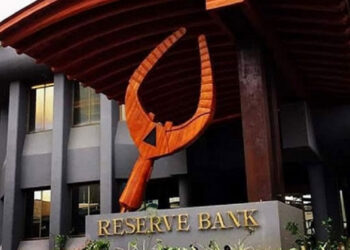
The New Zealand dollar rose 0.2% to $0.5892. The move was supported by the Reserve Bank of New Zealand’s decision to raise its key interest rate by 25 basis points to 2.75%, as well as its signal that further policy tightening may be possible. The Australian dollar gained 0.1% to reach $0.7206.
In the cryptocurrency market, bitcoin fell 0.3% to $80,995.51.
Thus, the yen’s performance in the coming days will depend on the Bank of Japan’s decisions and new signals from the U.S. labor market, which could determine the dollar’s next direction.