
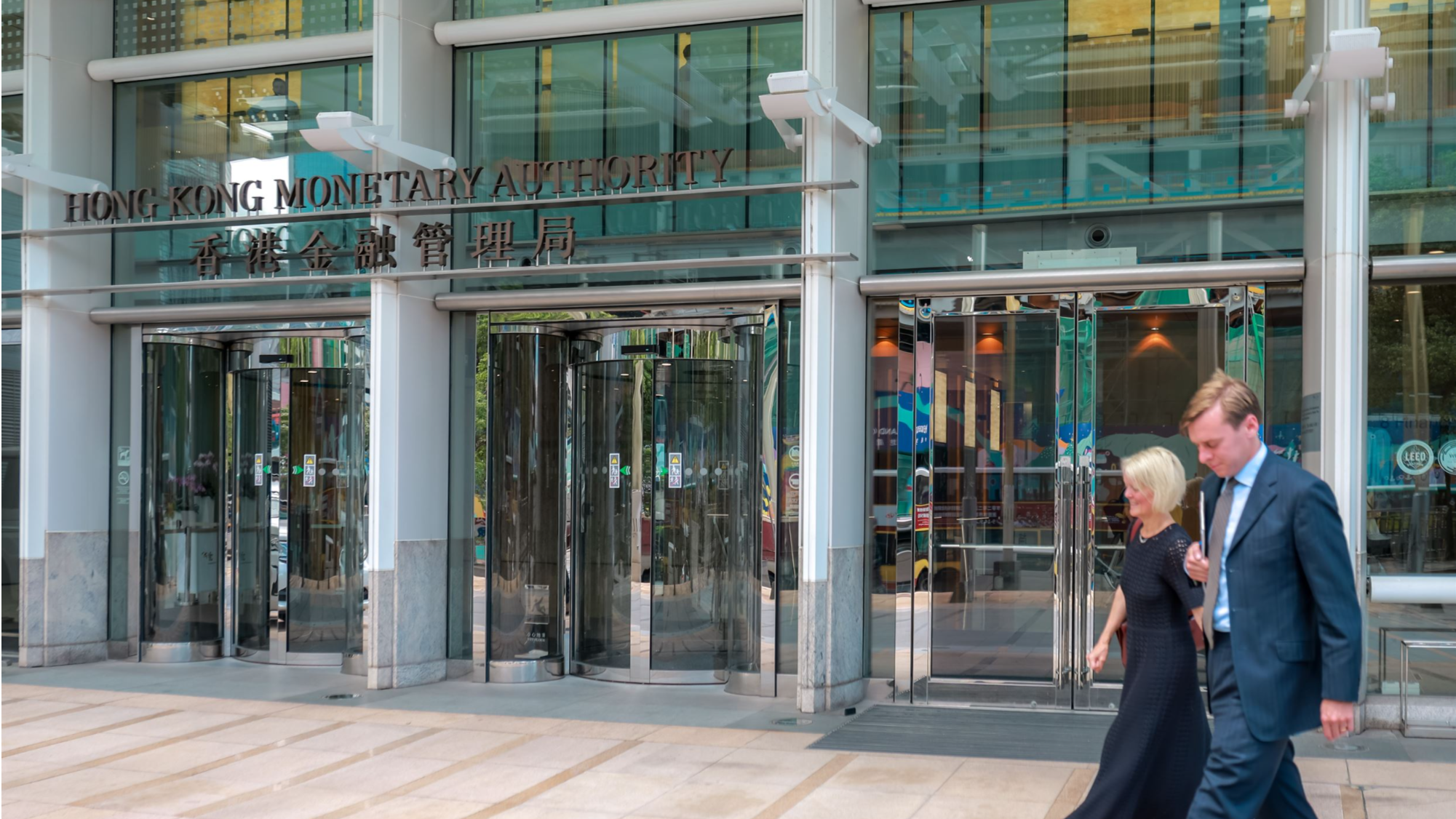
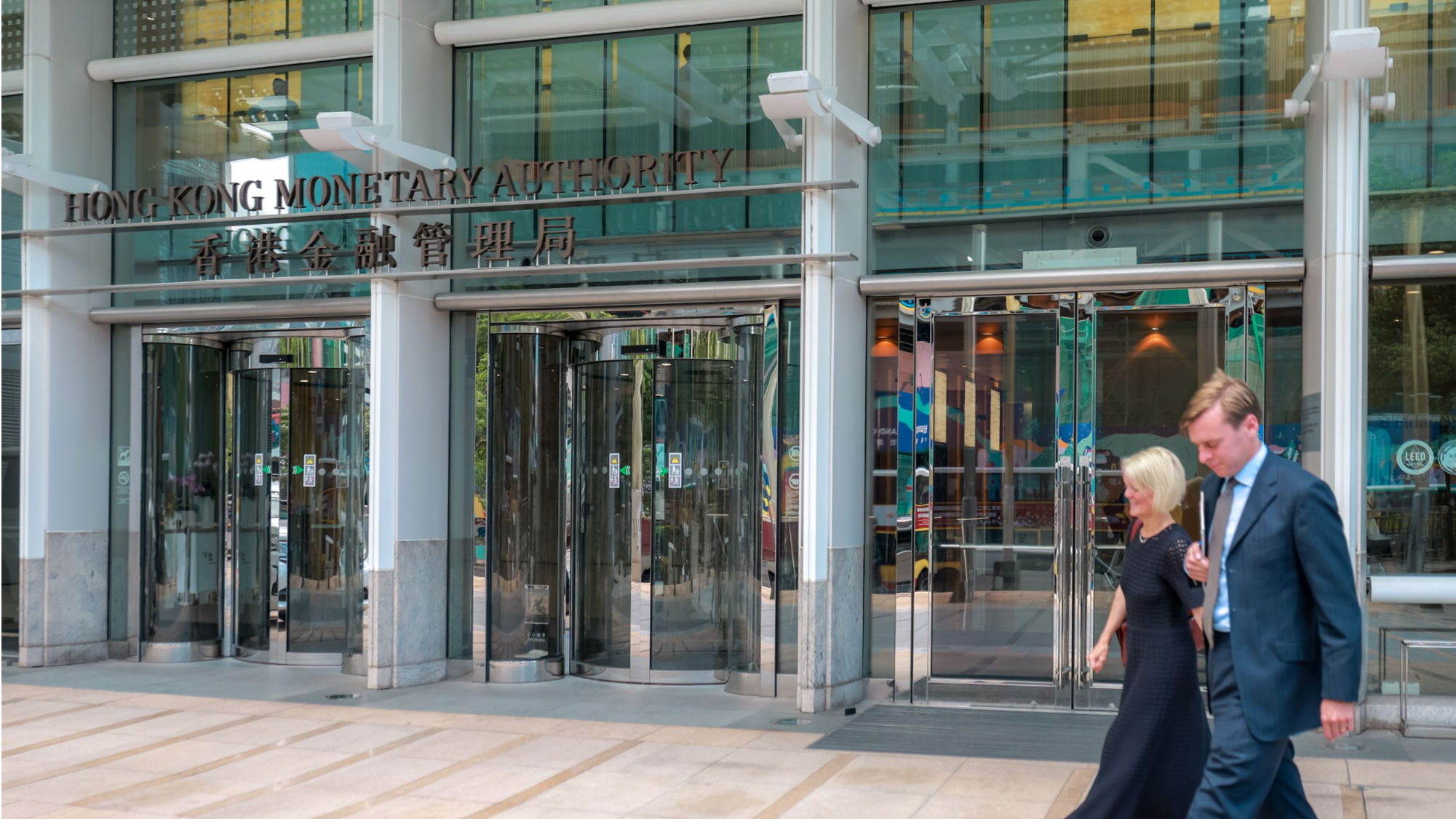
Hong Kong’s foreign exchange and currency markets have remained stable amid global volatility following the turmoil in the Middle East, the city’s monetary authority said on Monday, adding that the conflict’s impact on the local economy is “relatively manageable”.
“The Middle East conflict has created numerous uncertainties worldwide, as well as in Hong Kong’s economy and financial sector. While the global market is turbulent, Hong Kong’s foreign exchange market remains stable and seamless,” Eddie Yue Wai-man, the Hong Kong Monetary Authority’s chief executive, said at a Legislative Council meeting.
The Hong Kong Special Administrative Region’s Exchange Fund generated HK$34.5 billion ($4.4 billion) in investment income in the first quarter of this year, according to the HKMA’s latest figures.
ALSO READ: Exchange Fund reallocation move is fiscally practical and prudent
Investment in equities suffered, with a total of HK$16 billion vanishing from Hong Kong stocks and other equities as global markets plunged. However, the Exchange Fund gained HK$24.6 billion from bonds and benefited from a positive currency translation effect of HK$25.9 billion on non-Hong Kong dollar assets in the first three months, which helped to offset the losses.
Yue said the proportion of US dollar-linked assets held by the Exchange Fund was below 80 percent at the end of both 2024 and 2025, and the HKMA would seek to further diversify the fund’s portfolio going forward.
He added that in recent years, the fund has tended to hold US dollar-denominated assets with shorter maturities, which are expected to be less affected by rising yields, as the authority aims to maintain a high level of liquidity to “respond flexibly to any challenges”.
READ MORE: Hong Kong Exchange Fund posts record gains in 2025
Regarding the currency market, the HKMA chief noted that the Hong Kong dollar, which is pegged to the US dollar, softened slightly in mid-March due to carry trade activities prompted by lower interest rates stemming from investors’ weak capital demand amid the conflict in the Middle East. However, the interest rate stabilized later as a result of quarter-end settlements and improved sentiment, he added.
“The impact of the Middle East conflict on energy costs and our economy is relatively manageable,” Yue added, pointing to robust growth momentum in the first quarter, while cautioning that, given Hong Kong is an export-oriented economy, the situation may change depending on how long the conflicts continue.
The city’s growth has shown resilience in the past quarter. Official data indicated that Hong Kong’s overall export value in March increased by 35.8 percent year-on-year to HK$618.4 billion, while imports jumped by 41.2 percent to HK$707.5 billion.
First quarter gross domestic product is also projected to see its strongest quarterly expansion in nearly five years, with preliminary figures – set to be released on Tuesday — expected to surpass the revised 4 percent growth recorded in the fourth quarter of last year.
Financial Secretary Paul Chan Mo-po said the momentum was driven by improved private consumption, robust exports, and sustained investment in fixed capital.
The HKSAR government is closely monitoring the impact of geopolitics and rising oil prices on businesses across the board, he said, adding that the HKMA will work with the banking sector to implement more measures to support local small- and medium-sized enterprises.
Contact the writer at gabylin@chinadailyhk.com